The Evolution of Renewable Energy: Harnessing Nature for a Sustainable Future
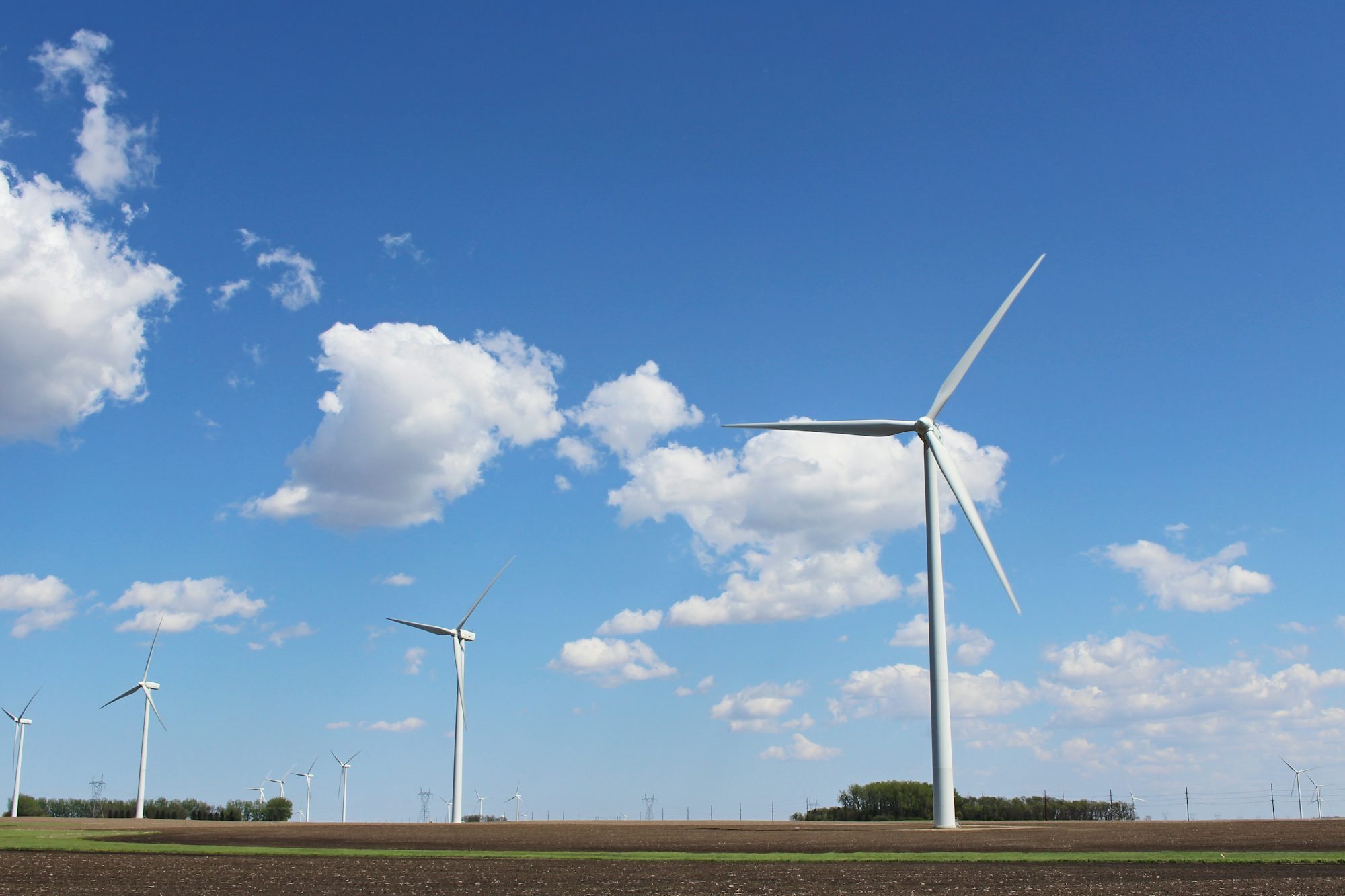
This article explores the development of renewable energy sources, their environmental impact, technological advancements, and the future of sustainable energy solutions.Renewable energy has become a cornerstone of the global effort to combat climate change and promote sustainability. As concerns about fossil fuel depletion and environmental degradation grow, the transition to renewable energy sources such as solar, wind, hydro, and geothermal power is more critical than ever. This article examines the evolution of renewable energy, its benefits, technological advancements, and the challenges that lie ahead in achieving a sustainable energy future.\n\nThe history of renewable energy can be traced back to ancient civilizations that utilized natural resources to meet their energy needs. For instance, wind power was used for sailing and grinding grain, while water mills harnessed the flow of rivers to produce mechanical power. However, it wasn't until the late 20th century that renewable energy began to gain significant attention as a viable alternative to fossil fuels. The oil crises of the 1970s sparked interest in alternative energy sources, leading to increased research and development in the field.\n\nToday, solar energy stands out as one of the most rapidly growing sources of renewable energy. The technological advancements in photovoltaic (PV) cells have made solar power more accessible and efficient. Solar panels can now convert sunlight into electricity with high efficiency rates, allowing homeowners and businesses to generate their own power. Additionally, the declining costs of solar technology have made it an attractive investment for many. In regions with abundant sunlight, solar energy can provide a substantial portion of electricity needs, reducing dependence on fossil fuels and lowering greenhouse gas emissions.\n\nWind energy is another key player in the renewable energy landscape. Modern wind turbines have evolved dramatically in design and efficiency, enabling them to generate electricity even at low wind speeds. Wind farms, both onshore and offshore, are becoming increasingly common, contributing to a significant share of electricity generation in several countries. The scalability of wind energy makes it an appealing option for large-scale energy production, further bolstering its role in the global energy mix.\n\nHydropower has long been one of the most established renewable energy sources. By harnessing the energy of flowing water, hydropower plants can produce large amounts of electricity. While traditional large-scale dams can have environmental and social impacts, innovations in small-scale and run-of-river hydropower systems are providing more sustainable options. These technologies allow for energy generation without significant alterations to local ecosystems, making hydropower a flexible and valuable energy source.\n\nGeothermal energy taps into the Earth's internal heat to generate electricity and provide direct heating. This renewable resource is particularly effective in regions with volcanic activity, where geothermal power plants can harness steam and hot water from underground reservoirs. The reliability and constant output of geothermal energy make it a stable complement to more intermittent sources like solar and wind.\n\nBiomass energy, derived from organic materials, is another renewable resource with significant potential. Biomass can be converted into biofuels, electricity, or heat, offering a versatile solution to energy needs. By utilizing agricultural residues, waste materials, and dedicated energy crops, biomass energy can help reduce reliance on fossil fuels while promoting waste management and sustainable agricultural practices.\n\nThe transition to renewable energy sources offers numerous environmental benefits. By reducing greenhouse gas emissions, renewable energy helps mitigate climate change and improve air quality. Additionally, the shift towards sustainable energy reduces water consumption and habitat destruction associated with fossil fuel extraction. As more countries commit to ambitious climate targets, the demand for renewable energy will only continue to grow.\n\nTechnological advancements play a crucial role in facilitating the transition to renewable energy. Innovations in energy storage solutions, such as advanced batteries and pumped hydro storage, are essential for managing the intermittent nature of solar and wind energy. These technologies enable the storage of excess energy generated during peak production times, ensuring a reliable power supply when demand increases. As energy storage becomes more efficient and affordable, the integration of renewable sources into the grid will become smoother.\n\nMoreover, the development of smart grid technologies is enhancing the efficiency of energy distribution. Smart grids allow for real-time monitoring and management of electricity flow, facilitating the incorporation of diverse energy sources, including renewables. By optimizing energy use and enabling demand response strategies, smart grids help to ensure a stable and resilient energy system. \n\nDespite the promising advancements, several challenges must be addressed for renewable energy to reach its full potential. One of the primary hurdles is the need for robust infrastructure to support the increased demand for electricity. Upgrading existing power grids and developing new transmission lines are crucial for accommodating the growing share of renewable energy. Additionally, policymakers must work to create regulatory frameworks that encourage investment in renewable projects while balancing the needs of energy consumers and providers.\n\nPublic acceptance and understanding of renewable energy technologies also play a vital role in their successful implementation. Education and outreach initiatives can help dispel myths and misconceptions about renewable energy, highlighting its benefits and viability. Engaging communities in discussions about energy projects can foster greater support and participation, leading to more successful renewable energy initiatives.\n\nAs we look to the future, the role of renewable energy in the global energy landscape will only become more pronounced. With increasing advancements in technology, declining costs, and growing awareness of environmental issues, renewable energy sources are poised to play a pivotal role in achieving sustainability goals. By investing in research, infrastructure, and education, we can accelerate the transition to a cleaner, more sustainable energy future.\n\nIn conclusion, the evolution of renewable energy represents a significant shift in how we produce and consume energy. As we harness the power of nature, we take critical steps toward reducing our environmental impact and creating a sustainable future. By overcoming the challenges and embracing the opportunities presented by renewable energy, we can pave the way for a cleaner, greener world for generations to come.
25-08-30
Liam Carter